
By Marisa Tolsma, Certified GAPS Coach | Bumblebee Apothecary
Quick Answer
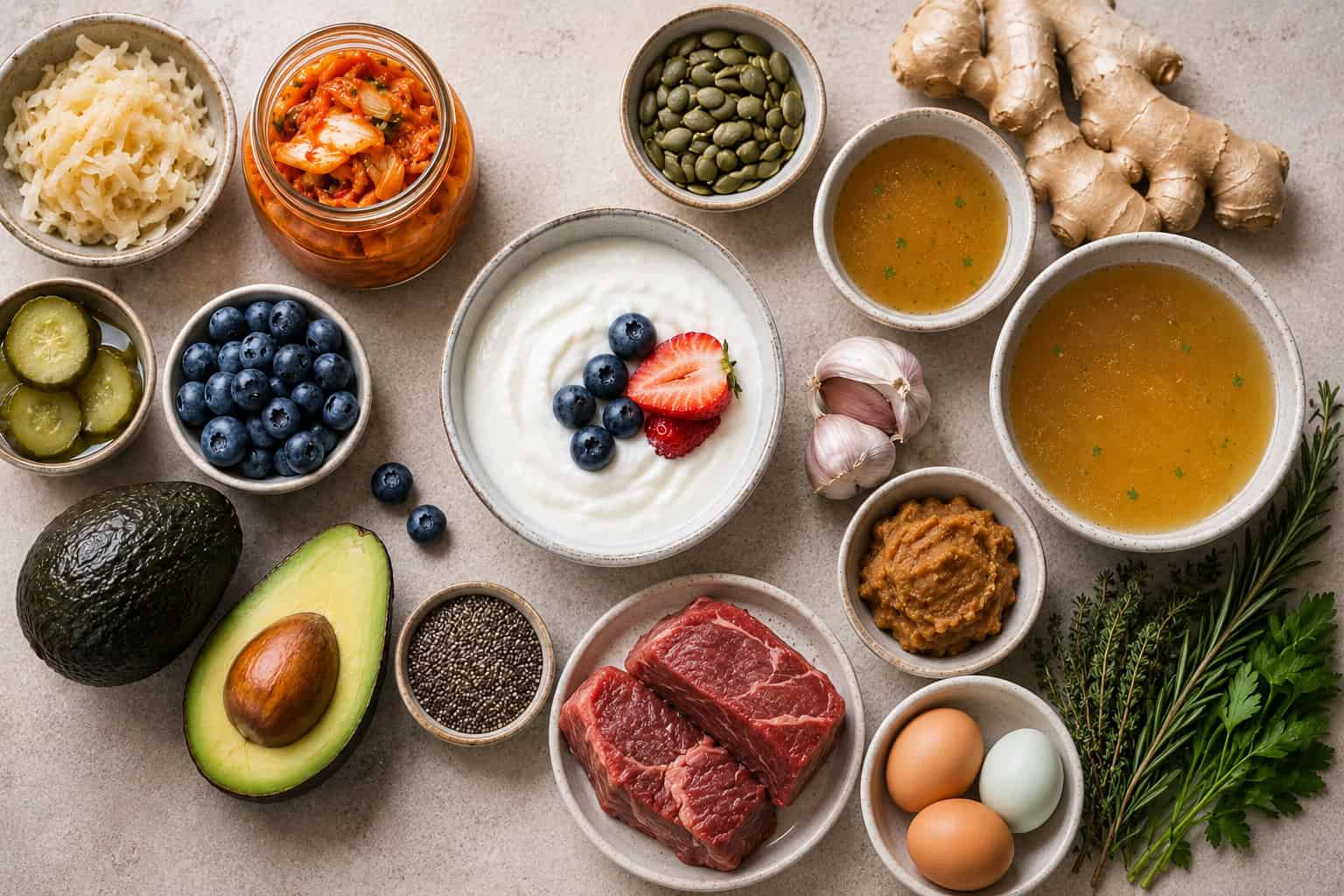
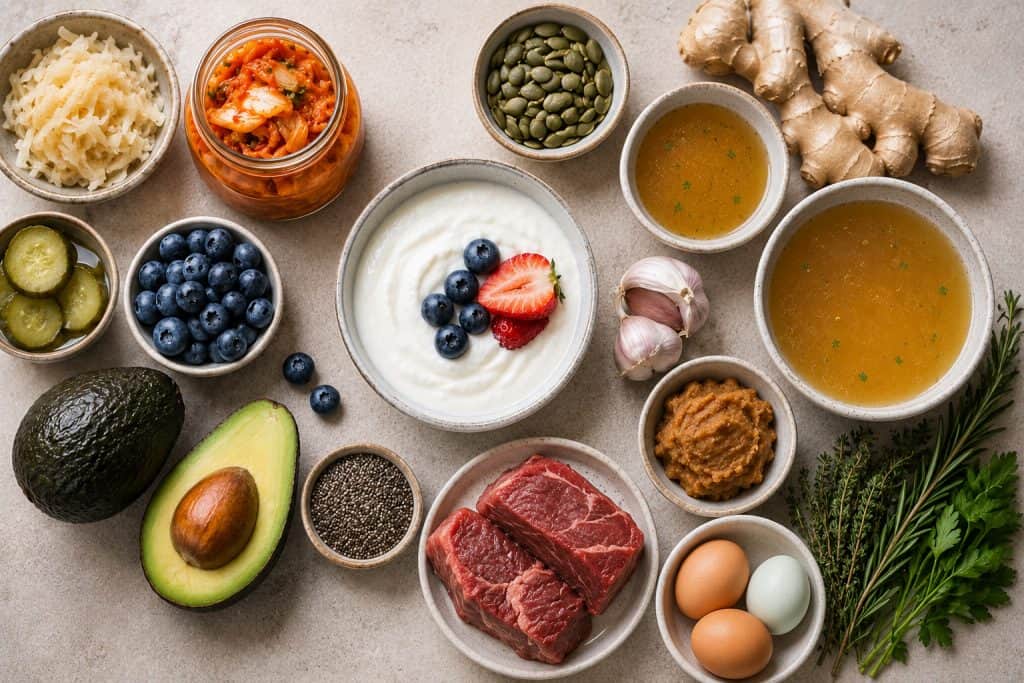
The best gut healing foods are traditional, nourishing whole foods: homemade meat stock and bone broth, fermented foods (like sauerkraut and yogurt), healthy animal fats, well-cooked vegetables, pastured eggs, organ meats, and gelatin-rich cuts of meat. These foods provide the building blocks the gut lining needs to repair itself and restore a healthy balance of beneficial bacteria. In my experience, filling your plate with these gently and consistently is what supports real gut wellness over time.
Pin it for later
This post contains affiliate links, which means I make a small commission at no extra cost to you. Get my full disclosure here.
Gut Healing Foods
If your gut has been giving you trouble, bloating, irregularity, discomfort, food sensitivities, or that general sense that your digestion just isn’t right, the good news is that food is one of the most powerful tools you have. The right foods can genuinely help your gut repair and rebalance itself.
I’m Marisa, a Certified GAPS Coach and mom of 5. Supporting gut health with nourishing, traditional food is what I do, and it’s what healed my own body years ago. So let me walk you through a practical gut healing foods list: the specific foods I lean on, why they work, and how to bring them into your kitchen.
A quick, honest note: food is powerful, but everyone is different. If you have significant or ongoing gut symptoms, it’s always wise to work with a trusted healthcare provider alongside nourishing your body with good foods.
Why Food Matters So Much for Gut Healing
Your gut lining renews itself constantly, and it relies on nourishment to do that well. When we eat processed foods, industrial seed oils, refined sugar, and hard-to-digest ingredients, we can irritate and inflame the gut. When we eat traditional, nourishing, easy-to-digest foods, we give the gut exactly what it needs to repair its lining and rebuild a healthy community of beneficial bacteria.
The foods below are the ones most known for supporting this process. You don’t need all of them at once. Start with a couple, add them gently, and build from there.
The Gut Healing Foods List
1. Homemade Meat Stock
Meat stock is my number one gut healing food. Made from raw, meaty bones simmered for a few hours, it’s rich in gelatin, collagen, amino acids like glycine, and minerals, all of which directly support the gut lining. It’s gentle, soothing, and easy to digest. Here’s my meat stock recipe.
2. Bone Broth
Bone broth is meat stock’s longer-simmered cousin, made mostly from bones cooked for 24 hours or more. It’s rich in minerals and collagen. One note from my experience: bone broth is more concentrated and can be too strong for very sensitive or inflamed guts early on, so if you’re quite sensitive, start with the gentler meat stock first and work up to bone broth.
3. Fermented Vegetables (Sauerkraut, Kimchi)
Fermented vegetables are powerhouses of beneficial bacteria, far more than any supplement, and they help restore healthy gut flora. Start with just a teaspoon of the juice and work up slowly. My simple sauerkraut recipe is the perfect place to begin.
4. Cultured Dairy (Yogurt, Kefir)
If you tolerate dairy, homemade cultured dairy like 24-hour yogurt and kefir is wonderfully gut-supportive, full of beneficial probiotics. Homemade and cultured for a long time is best, since the extended culturing reduces the lactose and increases the beneficial bacteria.
5. Healthy Animal Fats
Traditional animal fats, butter, ghee, tallow, lard, help the gut absorb fat-soluble vitamins and provide building blocks for healthy cell membranes. They also make gut healing foods more satisfying and nourishing. Fats like beef tallow are a traditional staple worth embracing.
6. Well-Cooked Vegetables
When the gut is healing, well-cooked, soft vegetables (peeled and de-seeded if needed) are much easier to digest than raw. Cooked zucchini, carrots, squash, and other non-starchy vegetables deliver nutrients and gentle fiber without irritating a sensitive gut. Cook them soft in plenty of good fat.
7. Pastured Eggs
Eggs, especially the yolks, are a nutrient-dense, easy-to-digest gut healing food. Soft-cooked or gently prepared yolks from pastured hens are packed with the vitamins and healthy fats the body needs to repair. Introduce them gently if you’re sensitive.
8. Organ Meats
Organ meats like liver are among the most nutrient-dense foods on the planet, rich in the vitamins and minerals a healing gut craves. If liver isn’t your favorite (it wasn’t mine at first, and honestly a strong aversion can be a sign your body is low in exactly the nutrients it provides), start small. Grating a little frozen liver into ground meat is an easy, gentle on-ramp. Over time, many people find their aversion fades as those nutrient stores fill back in.
9. Gelatin-Rich Cuts of Meat
Slow-cooked, gelatin-rich cuts (think roasts, shanks, oxtail, anything with connective tissue) deliver the same gut-loving gelatin and collagen as meat stock. Cooked low and slow until tender, they’re deeply nourishing and easy to digest. Here’s a recipe to get you started.
10. Ripe Avocado
Soft, ripe avocado is a gentle, nourishing source of healthy fat and potassium that most healing guts tolerate beautifully. Mash it into soups or eat it soft on its own. It’s one of the easier whole-food fats to digest.
11. Cooked, Low-Sugar Fruits
Cooked fruits like applesauce (well-cooked apple) are gentle on the gut and easier to digest than raw fruit when you’re healing. They add a little natural sweetness and nourishment without overwhelming a sensitive system. Keep sugar moderate.
12. Ginger and Healing Herbs
Ginger, mint, and chamomile teas are soothing to the digestive system and can help calm an upset gut. A warm cup of ginger tea between meals is a traditional, gentle way to support digestion.
Foods to Minimize While Healing Your Gut
Just as important as what you add is what you ease away from. While healing, it helps to minimize:
- Refined sugar and artificial sweeteners
- Processed and packaged foods
- Industrial seed oils (canola, soybean, corn, vegetable oil)
- Refined grains and, for some, all grains while healing
- Pasteurized, processed dairy
- Anything you personally react to
You don’t have to do this perfectly. Even reducing these while adding in the nourishing foods above makes a real difference over time.
How to Start Using Your Gut Healing Foods List
Here’s the gentle, doable approach I recommend:
- Start with meat stock. If you do one thing, make homemade meat stock and sip it daily. It’s the foundation.
- Add one fermented food, slowly. Begin with a teaspoon of sauerkraut juice and build up gradually.
- Cook with good fats. Swap seed oils for butter, tallow, and ghee.
- Keep vegetables soft and well-cooked. Easier digestion while you heal.
- Go at your own pace. Add foods one at a time and notice how you feel. Slow and steady wins.
If you want a structured, step-by-step way to heal your gut with these kinds of foods, that’s exactly what the GAPS diet is designed to do. You can read about the GAPS diet and how it heals here, or start with my free Gut Wellness Getting Started Guide.
Frequently Asked Questions
The most supportive gut healing foods are homemade meat stock and bone broth, fermented foods like sauerkraut and yogurt, healthy animal fats, well-cooked vegetables, pastured eggs, organ meats, gelatin-rich cuts of meat, ripe avocado, cooked low-sugar fruits, and soothing herbs like ginger. These provide the building blocks the gut lining needs to repair and rebalance.
In my experience, homemade meat stock is the single most important gut healing food. Made from raw, meaty bones simmered for a few hours, it’s rich in gelatin, collagen, amino acids, and minerals that directly nourish and support the gut lining, and it’s gentle and easy to digest.
While healing, it helps to minimize refined sugar and artificial sweeteners, processed and packaged foods, industrial seed oils, refined (and sometimes all) grains, pasteurized processed dairy, and anything you personally react to. Reducing these while adding nourishing foods makes a meaningful difference.
It varies a lot by person and by how significant the gut issues are. Some people notice improvements in digestion within days to weeks, while deeper healing unfolds over months. Consistency with nourishing foods, and going gently, tends to matter more than speed.
Yes. Fermented foods like sauerkraut, kimchi, yogurt, and kefir are rich in beneficial bacteria that help restore a healthy balance of gut flora, often far more than probiotic supplements. Start with a very small amount and increase slowly, since introducing them too fast can cause temporary digestive upset.
Both are excellent, but they’re different. Meat stock is simmered for a few hours from meaty bones and is gentler, which makes it ideal early in healing or for sensitive guts. Bone broth is simmered much longer and is more concentrated, which can be too strong for a very inflamed gut at first. Many people start with meat stock and add bone broth later.
Nourish Your Gut, One Food at a Time
Healing your gut with food is one of the most empowering things you can do for your health. Here’s how I can help you go further:
🌿 Free: Gut Wellness Getting Started Guide, a simple, beginner-friendly place to start.
🌿 GAPS to Go, my done-for-you 30-day gut-healing meal plan built on exactly these kinds of foods.
🌿 Coaching: The Ancestral Gut Reset, step-by-step support for healing your gut with nourishing food.
Related Posts You’ll Love
Meat Stock Recipe for the GAPS Diet
Sauerkraut Recipe for the GAPS Diet
The GAPS Diet Explained: Stages, Foods, and How It Heals
Beef Tallow Uses: Everything You Need to Know
How Long Does It Take to Heal on the GAPS Diet?
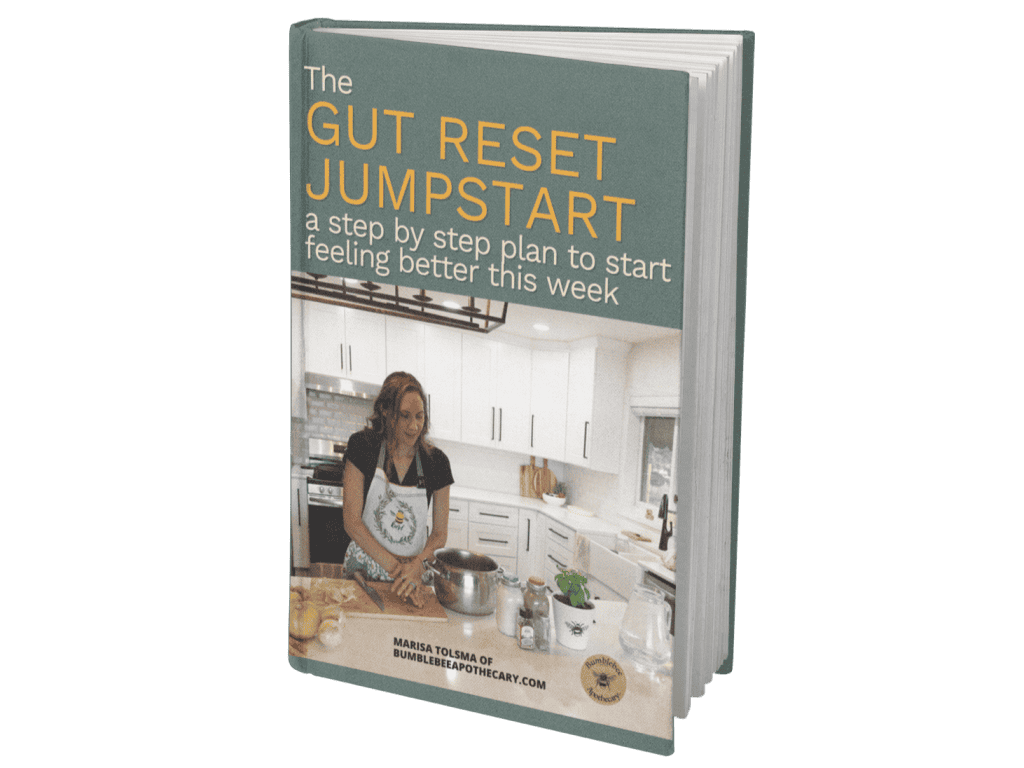
Join our traditional wisdom community, and grab a free Gut Reset Jumpstart when you subscribe!
The information in this blog post is my personal experience and opinion as a Certified GAPS Coach. It is for general information purposes only, may not apply to you as an individual, and is not a substitute for your own physician’s medical care or advice. Always seek advice from your physician or another qualified health provider with any questions you may have regarding nutrition, medical conditions, and advice. Never disregard medical advice or delay seeking medical care because of something you have read on this blog.
💛 Marisa