By Marisa Tolsma, Certified GAPS Coach | Bumblebee Apothecary
Quick Answer
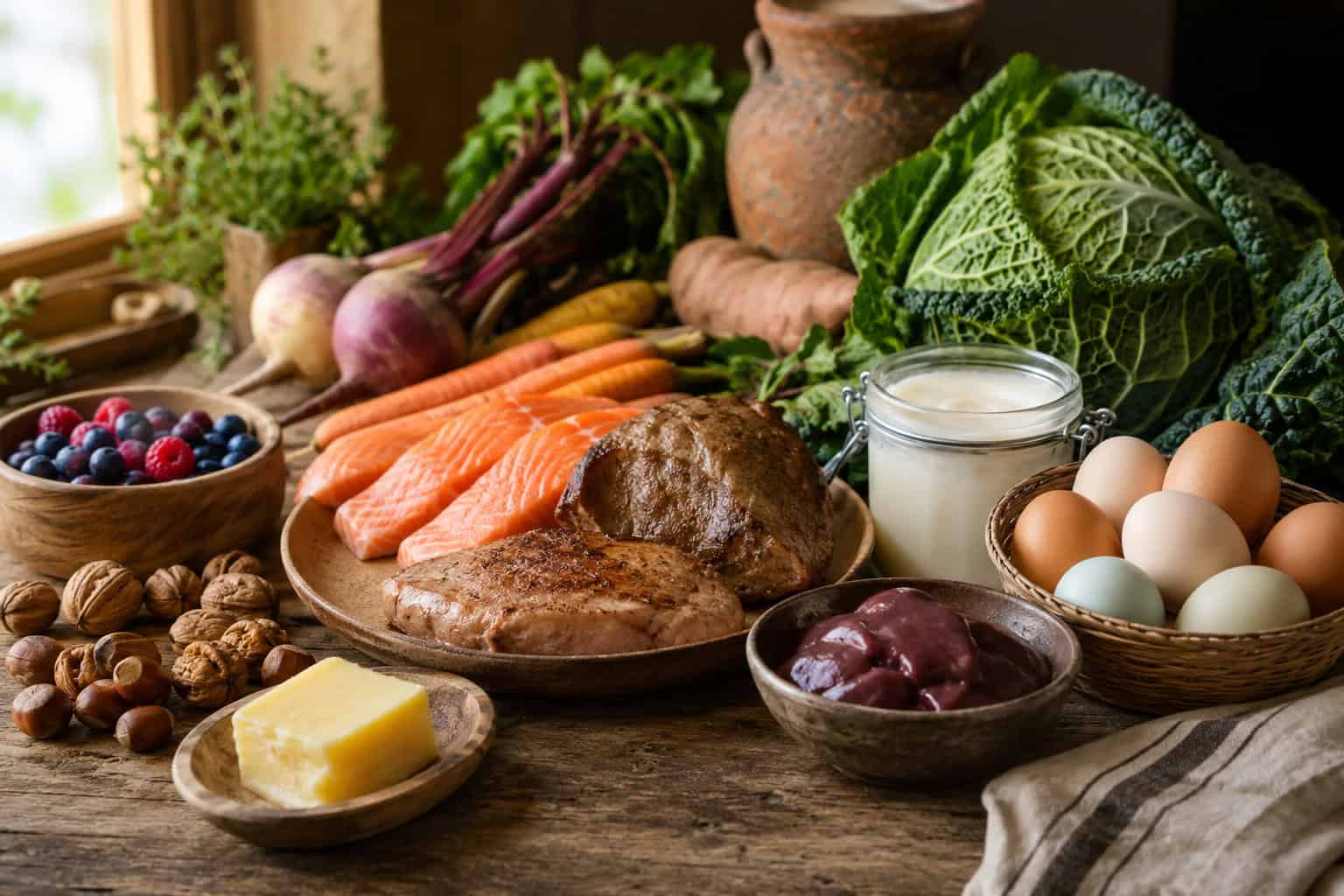
An ancestral diet means eating the way humans ate for thousands of years before modern processed food: nourishing, traditional, whole foods like pastured meats, healthy animal fats, bone-in broths, fermented foods, pastured eggs, raw or cultured dairy, and properly prepared vegetables, fruits, nuts, and grains. For beginners, the simplest place to start is to swap processed foods for their traditional, from-scratch versions, one at a time. You don’t have to overhaul everything overnight. Start tiny, and build from there.
Pin it for later
This post contains affiliate links, which means I make a small commission at no extra cost to you. Get my full disclosure here.
Ancestral Diet for Beginners
If you’ve been hearing about “ancestral eating” or “traditional foods” and feeling both curious and a little overwhelmed, this guide is for you. I’m going to walk you through what an ancestral diet actually is, why so many naturally minded people are returning to it, and exactly how to start, without needing to change everything at once.
I’m Marisa, a Certified GAPS Coach and a mom of 5. I’ve been eating and cooking this way for my family since 2011, and it truly transformed my health. So whether you found me through my tallow recipes, my gut healing content, or somewhere else entirely, welcome! Let’s talk about eating the way your great-grandparents did, and why it might be exactly what your body has been missing.
What Is an Ancestral Diet?
An ancestral diet (also called traditional foods, ancestral nutrition, or a Weston A. Price style diet) is a way of eating based on the traditional, nutrient-dense foods that nourished healthy human populations for thousands of years, before industrial processing changed our food supply.
The term comes largely from the work of Dr. Weston A. Price, a dentist who traveled the world in the 1930s studying traditional cultures that had not yet adopted modern processed foods. He found that people eating their traditional ancestral diets had remarkably strong teeth, broad healthy faces, robust bodies, and freedom from the chronic diseases becoming common in industrialized nations. When those same populations switched to white flour, sugar, and processed foods, their health declined dramatically, often within a single generation.
The takeaway is simple and powerful: the foods our ancestors ate, prepared the way they prepared them, are deeply nourishing in a way modern processed food simply isn’t.
The Core Principles of Ancestral Eating
Ancestral diets vary across cultures (from the Inuit to traditional African tribes to European peasant fare), but they share common threads:
- Whole, unprocessed foods. Nothing from a factory. Food in its natural, recognizable form.
- Pastured and wild animal foods. Meat, organ meats, fish, eggs, and dairy from animals raised on their natural diets.
- Healthy, traditional fats. Butter, tallow, lard, ghee, and other animal fats, plus olive and coconut oil. Not industrial seed oils.
- Bone-in broths and stocks. Nourishing meat stock and bone broth made from bones, rich in minerals and gelatin.
- Fermented and cultured foods. Sauerkraut, yogurt, kefir, and other ferments that support gut health.
- Proper preparation. Soaking, sprouting, and fermenting grains, nuts, and legumes to make them more digestible, the way traditional cultures did.
- Quality sourcing. Grass fed, pastured, organic, and local whenever possible.
Healthy fats are such a cornerstone that I want to point you to one of my favorites: beef tallow, and all the ways to use it. Rendered animal fats like tallow are a perfect example of a traditional food that modern diets wrongly abandoned.
Why People Are Returning to Ancestral Eating
More and more naturally minded people are coming back to this way of eating, and for good reason. When you nourish your body with the foods it was designed to thrive on, remarkable things can happen.
In my own experience, switching to a nutrient-dense ancestral diet is what finally resolved the health struggles I’d battled for years: cystic acne, chronic fatigue, frequent headaches, and being underweight. I had tried elimination diets and even went vegetarian for a while (which made things worse). It wasn’t until I embraced deeply nourishing, traditional, animal-food-rich eating that my body actually healed.
“Last year my husband and I adopted this way of eating and we’ve decided to make it a permanent lifestyle because it has yielded such great results.” — GAPS to Go meal plan user, email
People come to ancestral eating for all kinds of reasons: better energy, clearer skin, improved digestion, balanced hormones, stable moods, and healthier children. Others simply want to step off the treadmill of processed food and reconnect with real, traditional nourishment.
Ancestral Diet vs. Paleo vs. GAPS: How They Relate
If you’ve been reading about traditional eating, you’ve probably run into several related terms. Here’s how they fit together:
- Ancestral / Traditional Foods / Weston A. Price: The broad umbrella. Nutrient-dense traditional foods including properly prepared grains, dairy, and legumes. This is the widest and most flexible approach.
- Paleo: A more specific version that excludes grains, dairy, and legumes, focusing on meat, fish, eggs, vegetables, fruits, and nuts. Think of it as narrower branch of ancestral eating.
- GAPS: A therapeutic gut-healing protocol (developed by Dr. Natasha Campbell-McBride) that uses ancestral foods in a specific, structured way to heal the gut. It’s ancestral eating turned into a healing tool.
Many people, myself included, use an ancestral or Weston A. Price style diet as their everyday way of eating, and turn to GAPS specifically when deeper gut healing is needed. If you’re curious about that healing side, my post on the GAPS diet explained is a good next read.
How to Start an Ancestral Diet: 7 Beginner Steps
Here’s the part I love, because it’s so much simpler than people expect. You do not need to overhaul your whole kitchen overnight. Start with one or two swaps, let them become normal, then add more. Going slowly is what makes this doable and sustainable, in real life.
1. Switch your fats first
This is the single easiest, highest-impact change. Toss the industrial seed oils (canola, soybean, vegetable oil) and cook with traditional fats: butter, ghee, tallow, lard, and coconut and olive oil. If you want, you can even render your own tallow at home.
2. Upgrade your proteins
Start sourcing pastured, grass fed meats and eggs, and wild-caught fish. Even swapping in better-quality versions of what you already eat is a meaningful step. Don’t forget organ meats like liver, which are among the most nutrient-dense foods on earth.
3. Add meat stock and bone broth
Homemade meat stock and bone broth are foundational ancestral foods, rich in minerals, gelatin, and amino acids that support gut and joint health. Here’s my meat stock recipe to get you started.
4. Bring in fermented foods
Fermented foods like sauerkraut and yogurt add beneficial bacteria that support digestion and gut health. Start small. My simple sauerkraut recipe needs just cabbage, salt, and water.
5. Ditch the processed foods, one at a time
Start reading labels and replacing packaged, processed foods with from-scratch versions. You don’t have to do it all at once. Pick one item a week: swap boxed cereal for soaked oatmeal or eggs, swap vegetable-oil snacks for crispy nuts and cheese, swap sugary yogurt for plain cultured yogurt with fruit.
6. Prepare grains and legumes traditionally (if you eat them)
If you include grains and legumes, prepare them the ancestral way: soaked, sprouted, or fermented (like sourdough). This makes them far more digestible and unlocks their nutrients. Traditional cultures almost never ate grains without this preparation.
7. Prioritize quality and sourcing
As you go, aim for grass fed, pastured, organic, and local. Farmers markets, buying clubs, and local farms are wonderful sources. Quality matters enormously in ancestral eating, it’s the difference between food that nourishes and food that merely fills.
A Sample Day of Ancestral Eating
To make it concrete, here’s what a simple day might look like:
- Breakfast: Pastured eggs fried in butter or tallow, with sautéed vegetables and a side of fruit.
- Lunch: A bowl of hearty soup made with homemade meat stock, or leftover roast meat with cooked vegetables and plenty of good fat.
- Snack: Raw cheese, crispy nuts, a boiled egg, or some fruit.
- Dinner: Roast chicken or grass fed beef, a big serving of vegetables cooked in butter, a spoonful of sauerkraut, and a cup of warm meat stock.
- Dessert: Nutrient dense options like lemon mousse or ice cream.
Nourishing, satisfying, and completely doable. No deprivation, no counting, just real food.
Frequently Asked Questions
An ancestral diet is a way of eating based on the traditional, nutrient-dense whole foods that nourished healthy human populations for thousands of years before modern processing: pastured meats and eggs, healthy animal fats, bone broths, fermented foods, raw or cultured dairy, and properly prepared vegetables, fruits, nuts, and grains. It’s also called traditional foods or a Weston A. Price style diet.
Start with one or two simple swaps rather than overhauling everything at once. The easiest first step is switching from industrial seed oils to traditional fats like butter and tallow. From there, upgrade your proteins to pastured and grass fed, add homemade meat stock and fermented foods, and gradually replace processed foods with from-scratch versions.
Pastured and grass fed meats, organ meats, wild-caught fish, pastured eggs, traditional animal fats (butter, tallow, lard, ghee), bone broth and meat stock, fermented foods (sauerkraut, yogurt, kefir), raw or cultured dairy, vegetables, fruits, nuts and seeds, and properly prepared (soaked, sprouted, or fermented) grains and legumes.
Not exactly. Ancestral or traditional foods eating is a broad umbrella that can include properly prepared grains, dairy, and legumes. Paleo is a more specific branch that excludes grains, dairy, and legumes. Both prioritize whole, unprocessed, nutrient-dense foods over modern processed food.
An ancestral diet is an everyday way of eating built on traditional nourishing foods. GAPS is a specific therapeutic protocol that uses ancestral foods in a structured way to heal the gut. Many people eat an ancestral diet day to day and turn to GAPS when they need deeper gut healing.
Not necessarily. Unlike stricter protocols, a traditional ancestral diet can include properly prepared grains (soaked, sprouted, or fermented like sourdough) and natural sweeteners like honey and maple syrup in moderation. It’s about quality and preparation, and minimizing refined, processed versions rather than eliminating whole categories.
Ready to Start Eating Ancestrally?
🌿 Free: Gut Wellness Getting Started Guide, a simple, beginner-friendly place to start nourishing your gut with real food.
🌿 Book: Natural Living Recipes, 50+ of my favorite DIY tallow and natural living recipes.
🌿 Go deeper: The Ancestral Gut Reset, my step-by-step coaching program for lasting gut wellness through ancestral food.
Related Posts You’ll Love
The GAPS Diet Explained: Stages, Foods, and How It Heals
Beef Tallow Uses: Everything You Need to Know
Meat Stock Recipe for the GAPS Diet
Sauerkraut Recipe for the GAPS Diet
How to Render Tallow So It’s Odorless and White
GAPS Diet Before and After: How the GAPS Diet Changed Our Lives
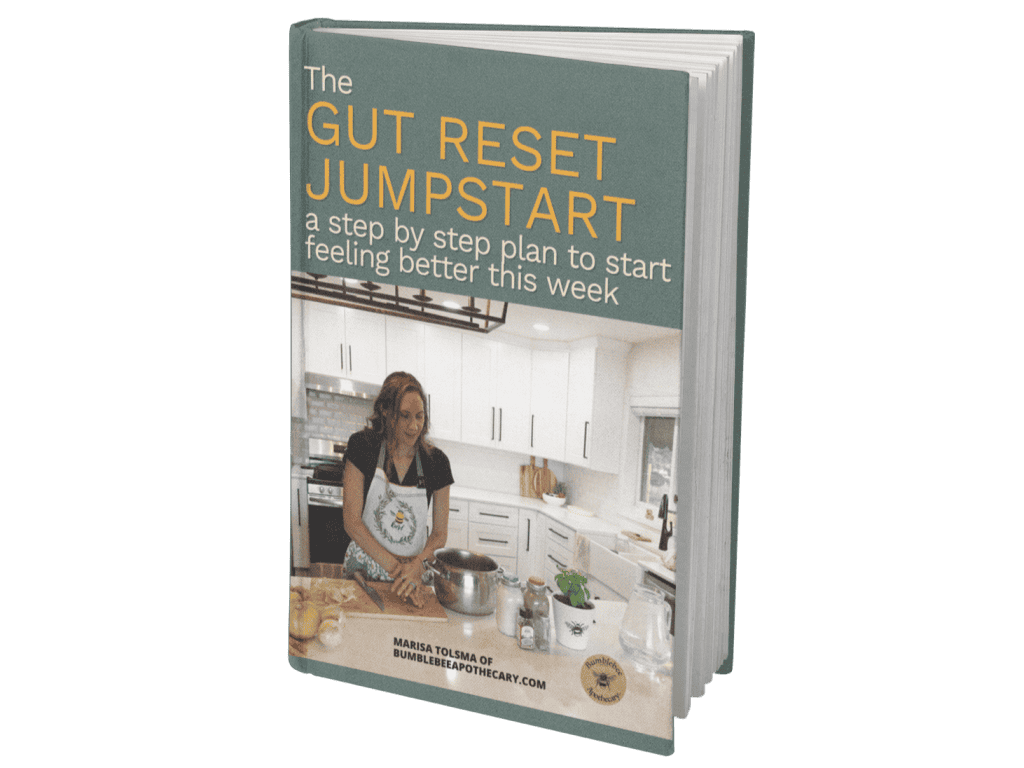
Join our traditional wisdom community, and grab a free Gut Reset Jumpstart when you subscribe!
The information in this blog post is my personal experience and opinion as a Certified GAPS Coach. It is for general information purposes only, may not apply to you as an individual, and is not a substitute for your own physician’s medical care or advice. Always seek advice from your physician or another qualified health provider with any questions you may have regarding nutrition, medical conditions, and advice. Never disregard medical advice or delay seeking medical care because of something you have read on this blog.
💛 Marisa