By Marisa Tolsma, Certified GAPS Coach | Bumblebee Apothecary
Quick Answer
Yes, grass fed beef tallow can be very helpful for acne when used topically. Tallow’s fatty acid profile is remarkably similar to the natural oils in human skin, which is why it absorbs deeply, soothes inflammation, and supports healing without clogging pores. In my experience as a Certified GAPS Coach, the best results happen when tallow is paired with addressing the gut, because acne is so often a reflection of what is going on inside the body.
Pin it for later
This post contains affiliate links, which means I make a small commission at no extra cost to you. Get my full disclosure here.
If you are struggling with acne and have heard that beef tallow might help, you are in the right place. I know, the idea of putting beef fat on your face the first time you hear it can feel a little strange. I felt the same way years ago when I was dealing with my own cystic acne. But once I learned the truth about tallow, and once I actually tried it, everything changed.
I am a Certified GAPS Coach, a mom of 5, and someone who lived through years of stubborn, painful, cystic acne before I figured out how to heal it. So when someone asks me “is tallow good for acne?” the answer comes from both my coaching practice and my own face.
Let me tell you what I have learned.
Why Tallow Works So Well on Acne Prone Skin
Tallow is rendered beef fat, traditionally made from suet, which is the fat from around the kidneys and internal organs of cattle. It has been used as a skin moisturizer for thousands of years, long before modern commercial skincare existed.
Here is the part most people do not know. Grass fed beef tallow has a fatty acid profile that is remarkably similar to the natural oils your skin already makes. Your skin recognizes it. Your skin uses it. That is why tallow absorbs so beautifully and works with your skin, not against it.
For acne specifically, a few things matter:
Tallow is noncomedogenic, which means it does not clog pores. This surprises a lot of people because we have been taught that anything oily on the face is bad for acne. But tallow is different from the inflammatory seed oils and pore-clogging synthetic ingredients in most commercial acne products.
Tallow is naturally antimicrobial. The palmitoleic acid (also called omega 7) in grass fed tallow has natural antimicrobial properties, which helps with the bacterial component of acne.
Tallow is anti-inflammatory. The conjugated linoleic acid (CLA) in grass fed tallow has powerful anti-inflammatory properties, which calms the redness, swelling, and pain of breakouts.
Tallow is deeply nourishing. Acne prone skin is often nutrient depleted and needs real, bioavailable support. Tallow contains fat soluble vitamins A, D, E, K, and B12, all of which are critical for skin health and skin regeneration.
The 5 Reasons I Recommend Tallow for Acne
1. It calms inflammation without stripping your skin
Most commercial acne products work by stripping oil and drying out the skin, which can lead to a frustrating cycle where your skin produces even more oil to compensate. Tallow does the opposite. It calms inflammation while keeping your skin properly moisturized, which actually helps regulate oil production over time.
2. It contains the exact nutrients your skin needs to heal
Vitamins A and D in grass fed tallow are essential for skin cell turnover and repair. Vitamin K supports healing. Vitamin E is one of the best skin nutrients there is. And these are all in their natural, bioavailable form, not synthesized in a lab.
3. It is naturally antimicrobial
The palmitoleic acid in grass fed tallow gently fights the bacterial component of acne without the harsh chemicals found in conventional treatments. No benzoyl peroxide. No salicylic acid burning your skin. Just real, traditional nourishment.
4. It is gentle enough for sensitive, reactive, cystic skin
I had cystic acne, which is the deep, painful kind that feels like it lives under your skin. Most acne treatments made my skin worse, more red, more reactive, more raw. Tallow was the first thing I used that did not flare it up.
5. It pairs beautifully with oil cleansing
The oil cleansing method is one of the most powerful tools for acne prone skin, and tallow balm is the perfect cleanser for it. You massage a small amount into your skin, dirt and impurities dissolve into the tallow, and you wipe everything off with a warm washcloth. Skin is left clean, calm, and properly moisturized.
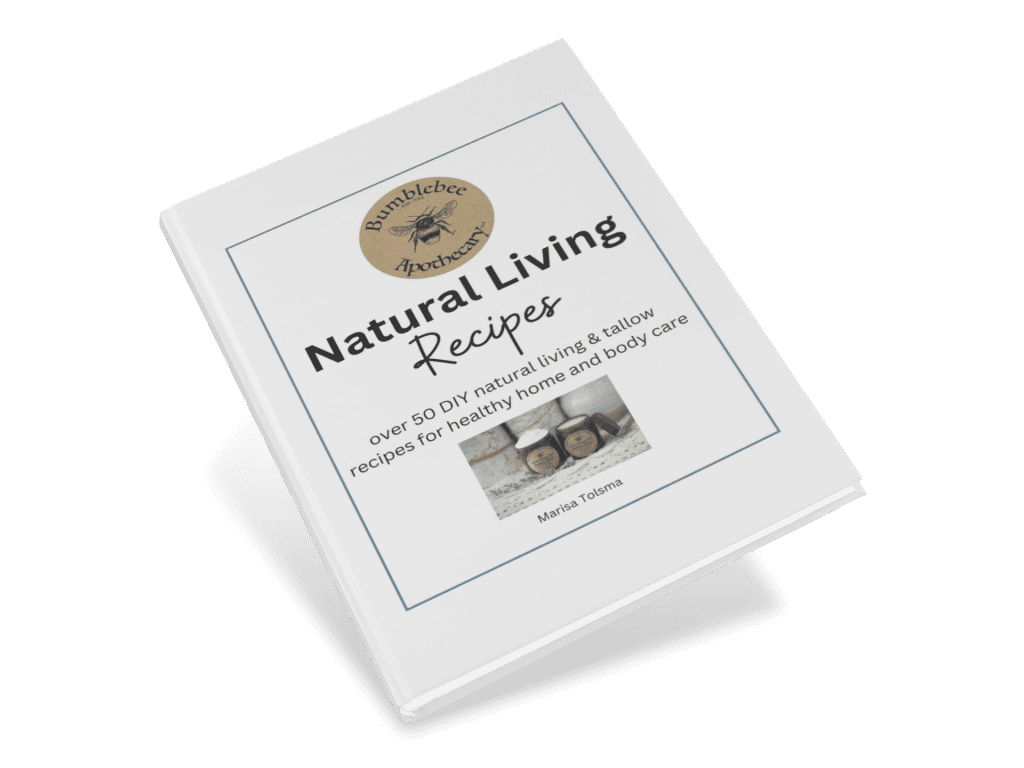
If you want every tallow and natural living recipe I make for my family of 7 in one beautiful place, my Natural Living Recipes book has 50+ of my favorite recipes, organized and ready to make.
How to Use Tallow for Acne: A Simple Routine
Here is what I have found works best for acne prone skin:
Step 1: Cleanse gently. Either with a gentle honey face wash or by using tallow balm as an oil cleanser. Avoid harsh foaming cleansers that strip the skin.
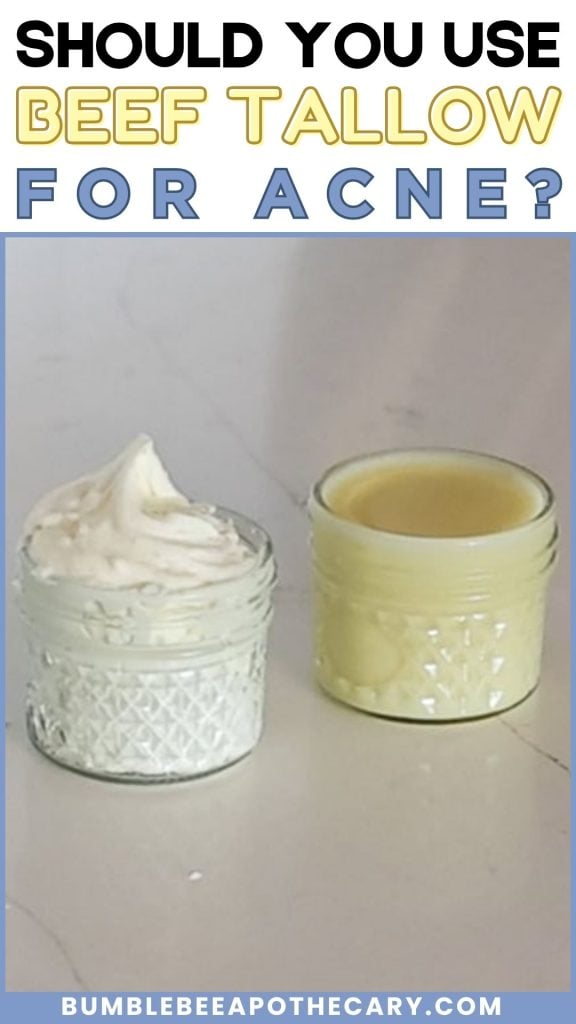
Step 2: Apply a small amount of whipped tallow balm at night. A tiny pea-sized amount is enough for the entire face. Tallow is concentrated, so a little goes a long way. If your skin feels greasy, you are using too much.
Step 3: Be patient. Skin takes time to recalibrate. Most people see meaningful changes within 2 to 4 weeks of consistent use, but the deepest healing happens over months as your skin learns to trust traditional nourishment again.
Step 4: Address the gut. This is the part I cannot leave out.
The Truth I Have to Tell You About Acne
I want to be really honest with you about something, because if I do not tell you this, I am not doing my job as a Certified GAPS Coach.
Tallow can absolutely help your acne. I have seen it. I have lived it. My clients have experienced it. But here is what I know from my own healing journey: the deepest, most lasting clearing of my cystic acne did not come from anything topical. It came from healing my gut.
I started the GAPS diet in 2011 after years of struggling with cystic acne, fatigue, frequent headaches, and being underweight. I had tried elimination diets. I had tried going vegetarian (that one was a disaster). Nothing really worked until I committed to the GAPS protocol developed by Dr. Natasha Campbell-McBride.
I did GAPS for 2 full years. My acne cleared completely. The fatigue lifted. The headaches stopped. My weight stabilized. And I have not had cystic acne since.
The skin is a reflection of the gut. Dr. Natasha teaches that all disease begins in the gut, an idea Hippocrates taught more than 2,000 years ago. When your gut is inflamed, your skin is inflamed. When your gut is healing, your skin is healing.
If you are dealing with acne that is not responding to anything, please consider that your gut might be ready for some support. If you want to know where to start with gut wellness, I made a free getting started guide that walks you through it. It is the same protocol I used to heal my own skin, simplified for people who just want a clear next step.

Tallow for Acne: Sourcing Matters
Not all tallow is created equal. For skincare, you want:
- 100% grass fed, grass finished beef tallow. The fatty acid profile and nutrient density of grass fed tallow is dramatically higher than grain finished. The animal eats grass, the grass converts sunlight into nutrients, and those nutrients concentrate in the fat.
- Wet rendered if possible. Wet rendered tallow is the cleanest, whitest, and most odorless. Perfect for putting on your face. Here is my full wet rendering tutorial.
- Leaf fat tallow, ideally. Leaf fat is the fat from around the kidneys, and it renders into the highest quality, most nutrient dense tallow.
If you want a ready-made tallow balm for acne, check out the Bumblebee Apothecary Shop. I make my balm from 100% grass fed leaf fat, wet rendered for purity. Or you can make your own tallow balm at home using my recipe, which is what I have been doing for over a decade.
What About Tallow for Other Skin Issues?
Tallow is wonderful for a lot more than just acne. In my experience, grass fed tallow balm can also help with:
- Eczema
- Dry skin
- Diaper rash
- Sunburn and windburn
- Itchy skin
- Anti-aging support
- Sensitive newborn skin
I have used tallow on every kind of skin issue you can imagine over 14+ years of practicing ancestral skincare. It is the most versatile, gentle, and effective single ingredient I know.
Frequently Asked Questions
Yes, grass fed beef tallow can be very beneficial for acne prone skin. It is naturally noncomedogenic (it does not clog pores), antimicrobial, and anti-inflammatory. The fatty acid profile of grass fed tallow is remarkably similar to the natural oils in human skin, which is why it absorbs deeply and soothes without irritating.
No, tallow is noncomedogenic. Because the fatty acid profile of tallow is so similar to the natural oils your skin produces, it works with your skin instead of sitting on top of it. If you feel like tallow is causing breakouts, you are most likely using too much. A pea-sized amount is enough for the entire face.
In my experience, most people see noticeable changes within 2 to 4 weeks of consistent use. Deeper healing happens over months. That said, topical tallow works best when paired with gut support, because acne is so often a reflection of what is happening inside the body.
Yes. I personally used tallow balm on my own cystic acne for years. Tallow is gentle enough for even very sensitive, reactive, painful skin and helps reduce inflammation without making things worse. For lasting results with cystic acne, addressing gut health alongside topical care makes the biggest difference.
In my experience, yes. Coconut oil is more comedogenic than tallow, meaning it is more likely to clog pores for some people. Tallow’s fatty acid profile is closer to human skin’s natural oils, which is why it tends to work better on acne prone skin without causing breakouts.
Use 100% grass fed, grass finished tallow, ideally wet rendered for purity and made from leaf fat for the highest nutrient density. The quality of the tallow matters enormously for skincare results, more than for cooking. Cheap, grain finished, or poorly rendered tallow will not give you the same skin benefits.
Yes, very often. As a Certified GAPS Coach, I see this constantly. The skin is a reflection of the gut, and chronic or cystic acne is often a sign that the gut needs support. In my own healing journey, addressing my gut with the GAPS diet is what cleared my cystic acne for good after topical solutions alone were not enough.
You can make tallow balm at home with just three ingredients: 1 cup grass fed tallow, ¼ cup olive oil, and 48 drops of essential oils (optional). Melt the tallow, stir in the olive oil and essential oils, and pour into a glass jar to set. Here is my full tallow balm tutorial with step-by-step instructions.
Ready to Heal Your Skin From the Inside Out?
If you are tired of treating your acne from the outside without seeing real change, your gut might be ready for some support. Here are 3 ways to take the next step:
🌿 Free: Gut Wellness Getting Started Guide, a simple, beginner-friendly walkthrough to start supporting your gut today.
🌿 $49: GAPS to Go, my complete 30-day GAPS Intro meal plan, done for you. Perfect if you want to jump in with a clear plan and recipes.
🌿 Coaching: The Ancestral Gut Reset, my step-by-step coaching program for moms who want hands-on guidance through the gut healing journey.
Related Posts You’ll Love
- How to Make Tallow Balm
- Tallow Balm for Dry Skin, Eczema, and Acne
- Tallow Skin Care: The Complete Guide
- Tallow and Gut Health
- Beef Tallow Uses: Everything You Need to Know
- Oil Cleansing with Tallow
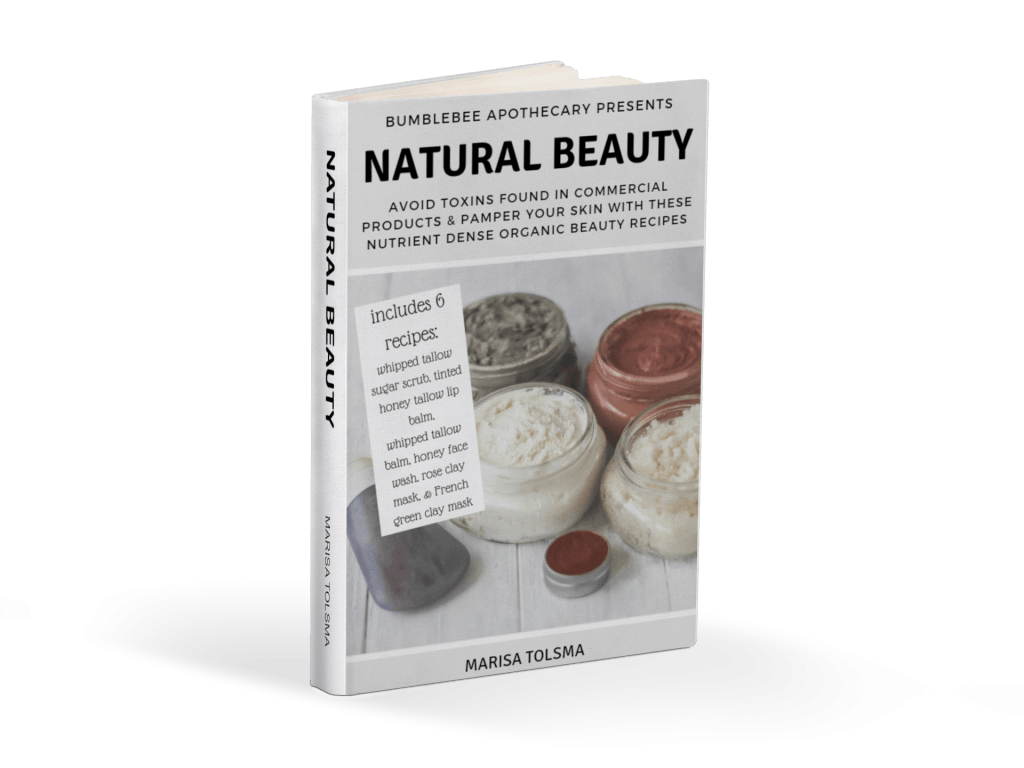
Join our traditional wisdom community, and grab a free Natural Beauty Recipes eBook when you subscribe!
Want to work with Marisa, Certified GAPS Coach?
I offer a complete step-by-step coaching experience through The Ancestral Gut Reset. You can learn more here.
GAPS™ and Gut and Psychology Syndrome™ are the trademark and copyright of Dr. Natasha Campbell-McBride. The information in this blog post is my personal experience and opinion as a Certified GAPS Coach. It is for general information purposes only, may not apply to you as an individual, and is not a substitute for your own physician’s medical care or advice. Always seek advice from your physician or another qualified health provider with any questions you may have regarding nutrition, medical conditions, and advice. Never disregard medical advice or delay seeking medical care because of something you have read on this blog.
💛 Marisa
Let's turn food into wellness